
Big Food's Favorite Trick: Create the Sugar Problem, Then Sell You the Expensive 'Solution'

Be the first to comment. Big Food's Favorite Trick: Create the Start the conversation Sugar Problem, Then Sell You the Expensive'Solution' -- Gatorade's Shameful Pivot
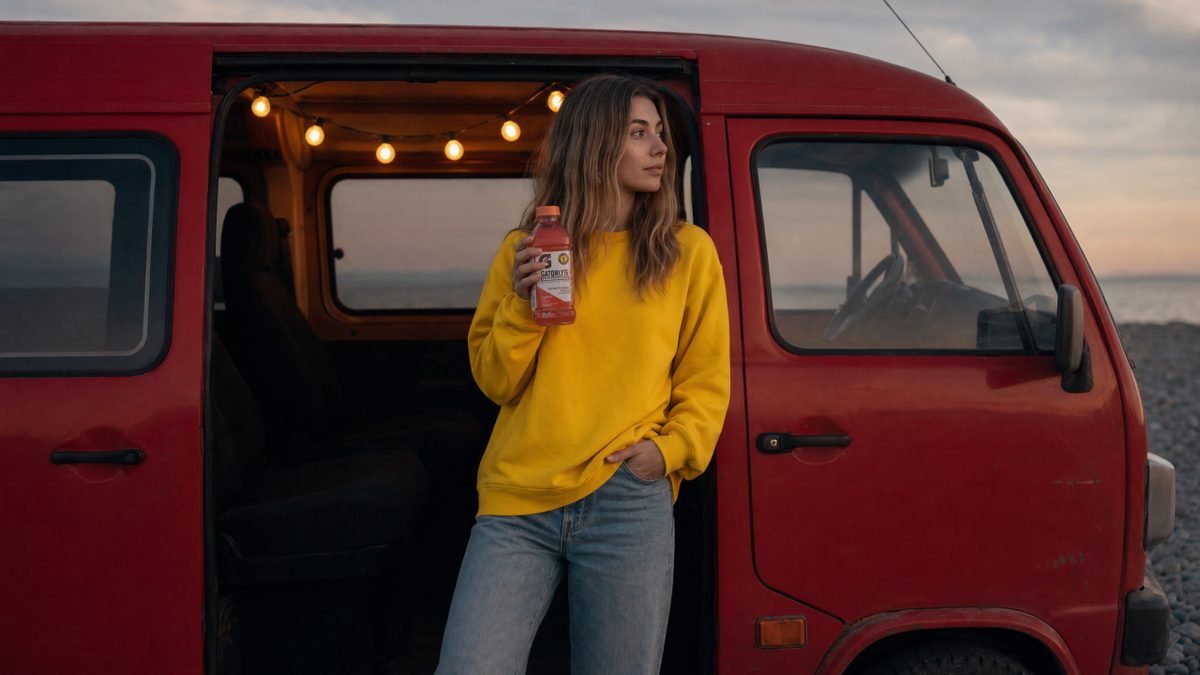
Gatorade Inc's "Lyte" (Gatorlyte/Lower Sugar) overhaul is exactly the kind of corporate pivot that makes you roll your eyes--big food creating a problem, then selling you the "fix." PepsiCo (which has owned Gatorade since buying Quaker Oats in 2001) just announced a major rebrand: clearer packaging that spells out "hydrate better/faster/longer than water," new products like Gatorlyte Longer Lasting (with extra electrolytes + glycerin for extended hydration), and a heavy push into lower-sugar formulas and no artificial colors.
The goal? Stop limiting itself to athletes and chase everyday non-athletes-- people on flights, walks, nursing hangovers, or just feeling mildly dehydrated.
Gatorade Lower Sugar (already out) has 75% less sugar than classic Thirst Quencher, no artificial flavors/colors/sweeteners, and it's one of their biggest recent sellers. Powders lose artificial dyes this spring; flagship bottled flavors (Fruit Punch, Lemon-Lime, Orange) follow in fall 2026 using plant-based colors instead.
Quick history on ingredients and what changed post-acquisition: The original 1965 University of Florida formula (invented for the Gators football team) was dead simple and functional: water, electrolytes (sodium, potassium, phosphate), sugar (glucose/sucrose for quick carbs and better absorption), and lemon juice for flavor. It tasted like "tiger piss" until they tweaked it, but the sugar was there from day one as a performance feature--not some villain.
Commercialization ramped up after it left the lab (Stokely-Van Camp, then Quaker in'83). Post-PepsiCo acquisition in 2001, it went full mass-market: more flavors, high-fructose corn syrup for a stretch in the'90s/early 2000s (switched back to sucrose-dextrose by 2011 because consumers "preferred" it), artificial colors (Yellow 5, etc.), preservatives, gums, and fillers for shelf stability and that neon appeal. Classic Thirst Quencher today is basically water + sugars/dextrose + citric acid + salts + colors/flavors--way more processed than the OG.
Remove the cup in her hand and replace it with a bottle of Gatorade. Photograph this as if shot on a Fujifilm X100-series camera with an APS-C X-Trans sensor and a fixed 23mm f/2 lens. Natural perspective, no distortion. Fujifilm-style color science with a Classic Chrome / Color Chrome inspired look. Slight negative exposure bias to protect highlights. Highlights roll off softly with no clipping.
Midtones are restrained and natural. Shadows are deep but open, never crushed. Stable, daylight-biased white balance with subtle warmth. No aggressive auto white balance correction. Natural skin tones prioritized. Muted but rich colors with a controlled saturation ceiling. Slightly desaturated blues and greens, deep restrained reds, no neon or oversaturated tones. Gentle film- like contrast curve with smooth tonal transitions. Subtle fine grain. Clean but not overly sharp. Natural light, realistic exposure. Editorial, documentary-style realism. Feels like a real photograph, not cinematic, not stylized.
PHOTOREALISTIC ARCHITECTURAL SCENE Grounded entirely in reality. The image must be indistinguishable from a real photograph. • No stylization • No exaggerated effects • No artificial staging Change the color of her shirt to hex #F4C430, high-chroma sunflower yellow, bright industrial yellow, clean primary yellow tone with neutral undertone, zero amber, zero tan, zero brown, zero mustard, no orange cast, high saturation, vivid and punchy, similar to Pantone 116 C, comparable to Caterpillar yellow or safety yellow, modern and crisp Sugar levels? The original had carbs for energy (it was supposed to). Modern classic servings pack 14–21g+ sugars depending on size--enough that critics call it "sugar water with electrolytes." Hence the backlash and the pivot to "Lyte" lines with way less.
The joke writes itself. PepsiCo spent decades turning a simple rehydration tool into a hyper-palatable, brightly colored, sugar-bomb beverage for maximum sales and shelf life--then watches consumer trends (and regulators/RFK Jr.-style pressure) turn against artificial dyes and excess sugar. Now they're the heroes "listening to consumers" with cleaner labels, 75% less sugar, and plant colors... while expanding into the exact non-athlete hydration market their original formula was never marketed for. Classic big-food playbook: engineer the problem (overly processed, addictive version), create demand for the "solution" (premium lower-sugar "Lyte" overhaul), and keep the margins fat.
It's the same move we've seen across CPG: load it up, watch the backlash, then relaunch "better-for-you" versions at full price. Meanwhile, the OG Gatorade was never zero-sugar--it always had the carbs because that's what athletes needed.
The real "fuckery" was the unnecessary extras for profit. (Quick note on the rest of that CPG Week headline: Laird Superfood's 2nd deal in 6 months shows functional/higher-end players consolidating; GLP-1 data is reshaping buying habits as people on the meds eat less overall; and hemp is bracing for potential federal bans--wild times in beverages and wellness.)Gatorade basically invented the category 60 years ago. Now it's chasing the electrolyte-obsessed wellness crowd it helped create... by fixing what it (and its corporate owners) helped break. Peak late-stage CPG.
This article was originally published by giovanni gallucci on LinkedIn or X. It is republished here in its original form, backdated to its original publish date.