Big Food Is Buying Clean-Label Brands To Neutralize Them

Be the first to comment. Big Food Is Buying Clean-Label Brands Start the conversation To Neutralize Them Poppi sold to PepsiCo for 1.5 billion dollars last year. The week after the announcement, the Instagram caption went from the founder talking about her first batch in a home kitchen to a sentence that could've been written by any copywriter in a glass tower in Purchase, New York. That's the tell. That's always the tell.
Hershey bought LesserEvil before that. Same pattern. The ingredient panel hadn't changed yet, but the captions did, fast. Less kitchen, more "portfolio." Less founder, more "our family of brands." Anyone who'd been following the brand since the early days felt it before the sales team did.
Here's the part nobody on the acquiring side wants to talk about. Indie clean- label brands drove more than 27% of food sector growth in 2025 while holding less than 1% of market share. That's not a rounding error. That's a stampede.
And Big Food knows it. The data coming out of MAHA-aligned scrutiny shows 40% of Big Food SKUs carry an ingredient on the MAHA watch list, versus 18% for indie brands. Two-and-a-half times the reformulation burden. So Big Food isn't writing checks to learn from the insurgents. They're writing checks to absorb and neutralize them.
The consumer doesn't read acquisition press releases. The consumer reads captions, looks at the founder on camera, checks the comments, and decides whether the brand still feels like the brand they fell for. That decision happens in weeks, not quarters. And when the content voice changes, the emotional contract breaks long before the ingredient deck does.
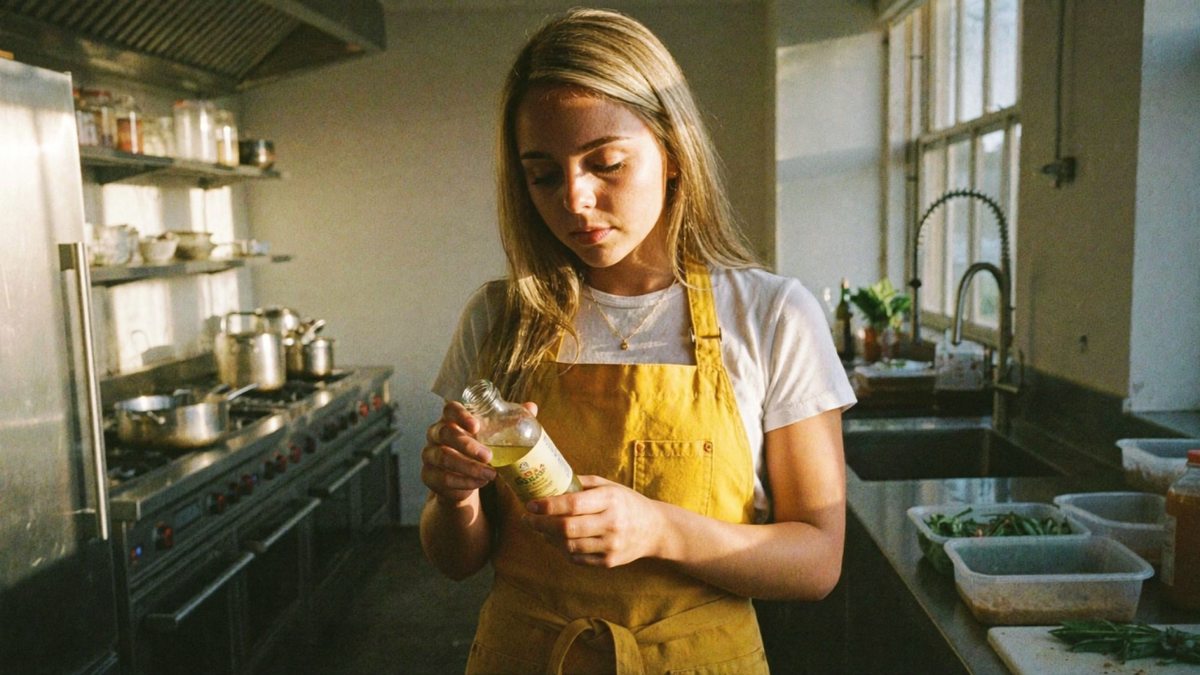
I've watched this play out for twenty years. A small food and beverage brand builds its entire audience on one thing: a real person on camera, saying real things, showing the actual kitchen. Then an acquirer with a legal team and a brand-standards binder shows up, and within 60 days the captions sound safer, the founder gets "repositioned," and the comments section stops feeling like a kitchen table. The brand is technically the same. The trust is gone.
If you're running a small or medium clean-label food or beverage brand right now, there's a short window open. MAHA pressure is reshaping ingredient decks across the category. Big Food is buying insurgents because they can't reformulate fast enough. Your content is the moat. Not your copacker. Not your shelf placement. Your content.
So here's the operator move. Own the founder voice. Do not delegate captions to an agency that's going to polish the sandpaper off. Document the factory floor weekly. Post the ugly parts. Name the farms. Show the copacker. Show the mixer. Show the label change when you make one. The supply chain is the story.
Put it on camera before someone in a board meeting tells you it's a liability.
Run label teardowns of your own product against whatever new "clean" SKU Big Corn Syrup is rolling out next quarter. Not a hit piece. A side-by-side.
Ingredients, sourcing, price per serving, production run size. Let the honest numbers do the contrast work. The audience is smart enough to get it. Most brands treat the audience like they aren't.
Audit the first comment on every post before it goes live. If the first comment reads like a press release, rewrite it yourself. That's where the algorithm reads engagement tone, and more importantly, it's where your customer decides whether you still sound like a human.
The same trap works in a different zip code. The Department of the Interior proposed rescinding the BLM Public Lands Rule last week. The Forest Service has 57 research stations on the closure list. Outdoor Alliance and 77 outdoor brands sent a letter to Congress asking for full funding of BLM and USFS recreation budgets for fiscal 2027. Public lands funding is in active debate right now, and the outdoor brands that show up with real photos, real trip reports, real river cleanups, and real names are the ones that'll keep their audience's trust through the next three years. The ones that post a stock photo and a press- release quote will get ignored the way they deserve to be.
People who care what's in their kid's lunchbox and people who care whether that same kid can drop a kayak on BLM land next summer are the same people.
They don't want corporate sanitization. They don't want their brands sold off and hollowed out. They don't want the Forest Service research station two counties over shuttered by a consultant who's never set foot in it. They want someone on camera who looks like them, sounds like them, and will tell them the truth about the ingredient panel and the trail closure notice.
If you're a founder in either vertical right now, the content play isn't complicated.
Show up in your own brand. Keep the voice warm, specific, and a little rough around the edges. Put the kitchen, the pasture, the trailhead, the label read, the closure notice on camera. Post it without the gloss. The audience is starving for it, and the window is open because Big Food and Big Outdoor are both too slow and too nervous to match it.
What does your last thirty days of content look like. Could a junior copywriter at a big four agency have written it? If yes, you've already started leaking.
This article was originally published by giovanni gallucci on LinkedIn or X. It is republished here in its original form, backdated to its original publish date.