The Window

January 2026
The window was the reason she said yes.
She had flown out three times before signing anything. Nashville to Midland on Southwest, then the two-and-a-half-hour drive west across the flat scrub to a town she had heard of mostly because of the lights. The first trip she had stayed in a casita on the south end of town and walked everywhere and decided she was not the kind of woman who moves to a place because of a feeling. The second trip she had said the same thing. The third trip she had walked into the room at the back of the El Cielito property - the one with the standing desk and the long blonde wood and the window that opened the whole frame onto a piece of country she had only ever seen in movies - and she had stopped talking for about a minute, and the man showing her the room had said nothing, and at the end of the minute she had said okay.
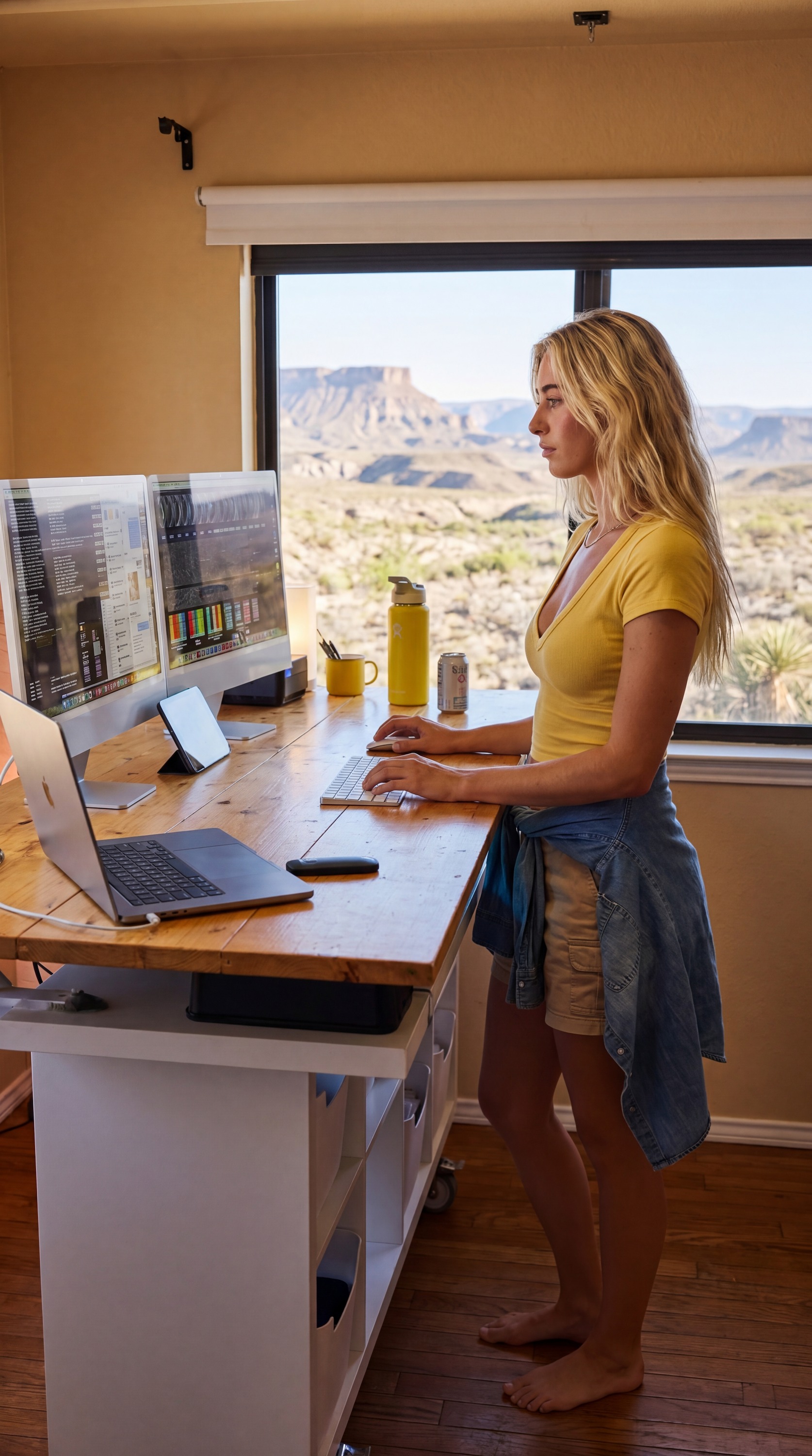
That had been in early January. By the third week of the month she had her two iMacs and the iPad and the laptop and the Hydro Flask and a half-finished can of mineral water on the desk, and she had started working.
She worked standing. She had always worked standing. In Nashville the standing desk had been jammed against the wall of a converted garage and the only window had looked at a fence; here it looked at a mesa. That was the math of the move and she had run it three times. Nashville: the work was good, the room was a room. Marfa: the work would have to keep being good, and the room would do something the room had never done before.
She did not announce it. There was no post about it. She did not say new chapter or fresh start or any of the things people who move to places say. She had a thing she had learned from her years at the indie label in Nashville, which was that the people who tell you they have arrived are the ones who haven't yet. She just got there, and she set up the desks, and she started.
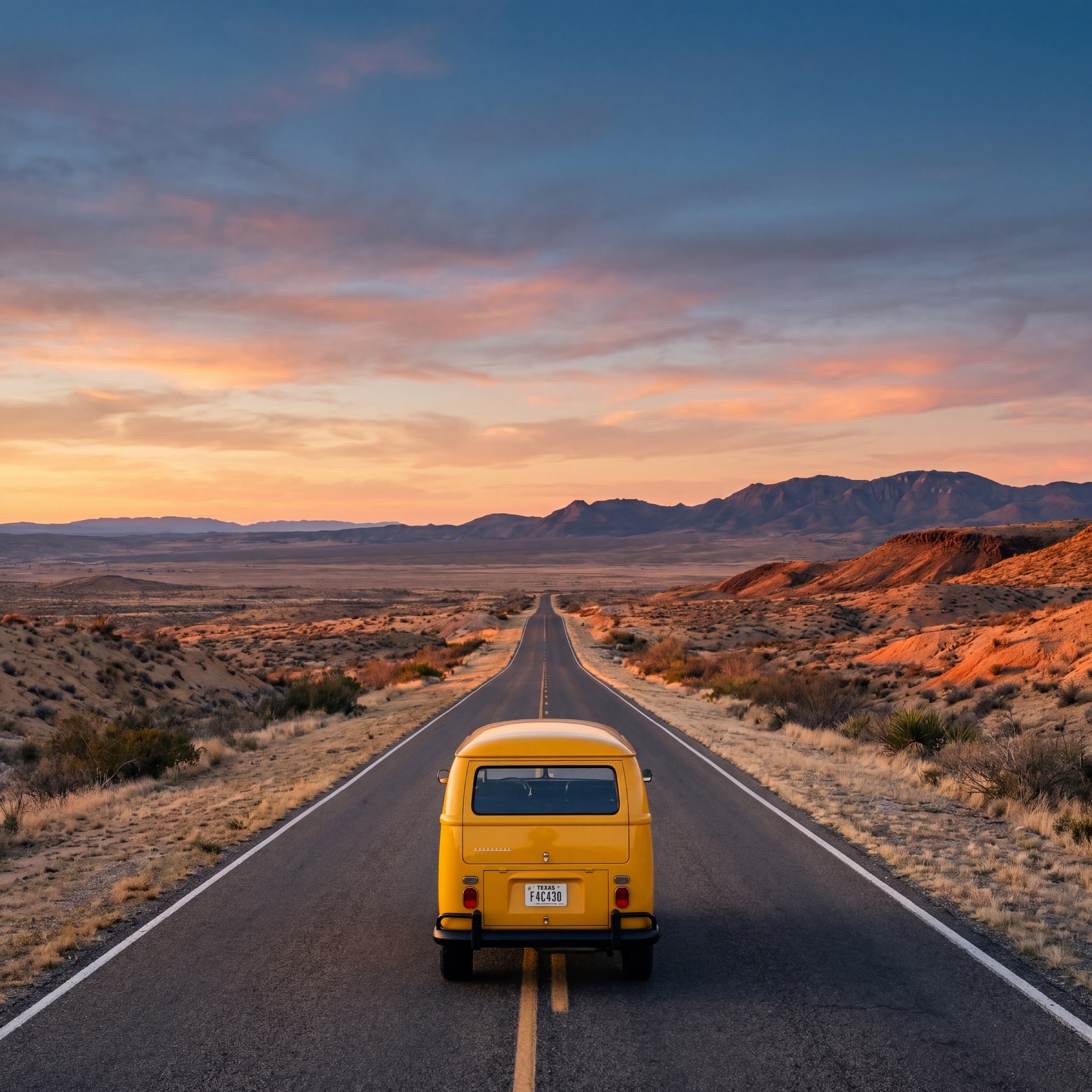
The Firebird sat under the carport. She had driven it across two and a half states with the windows down and her hair doing whatever it wanted to do, and she had played the same six AC/DC songs and one Willie Nelson record on a loop, and she had stopped once for gas in Sweetwater and once for tacos in Fort Stockton, and she had pulled into Marfa at sundown the way people in the movies she loved pulled into towns. She had let herself enjoy that. Then she had parked, and walked into the room, and gone to work.
The agency had been a posting on a creator forum she only half-read. The man who ran it had answered her email in two sentences. The interview had been a conversation, not an interview. He had not asked her what her five-year plan was, which she appreciated because she did not have one. He had asked her what she had on her playlist and she had told him, and he had named two of the songs back to her, and that had been most of it.
She did not tell people why she had moved. Most people assumed it was a man. It was not a man. She had moved for the window, and for the work, and for the chance to find out who she was as a creator outside of the city that had named her for the last decade. She had moved because she was thirty and the version of herself that had worked in Nashville had finished saying what she needed to say there, and she could feel the next version of her starting to show up, and the next version of her wanted a different room.
The window faced west.
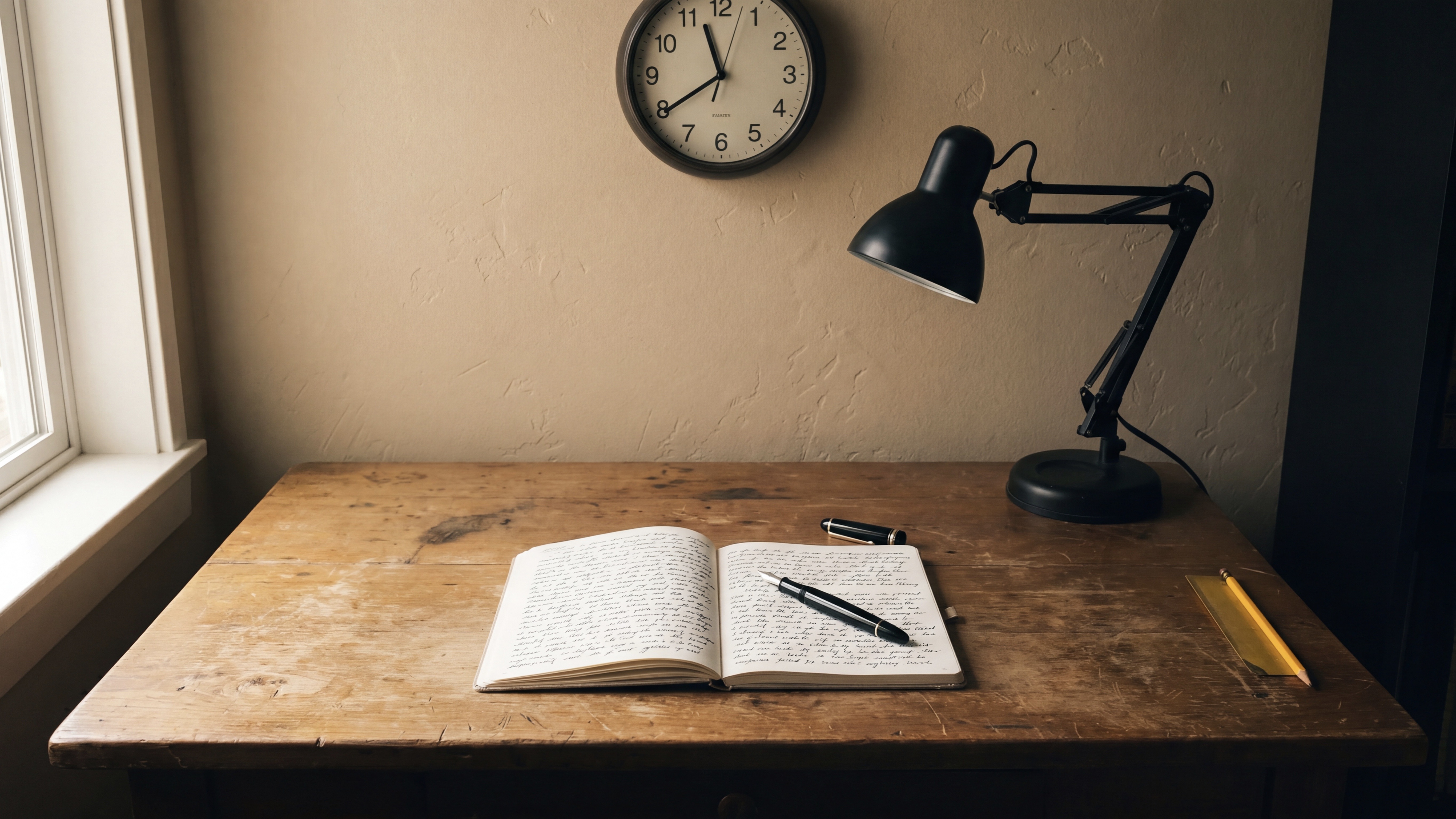
She had not understood what that meant until the first afternoon she stood at the desk and watched the light start to change, and the mesa stopped being a postcard and became a clock. The sun moved across the country outside her window all afternoon, slowly, and the room around her shifted with it - gold at first, then amber, then a pink so soft it did not look like a real color. She had set down the mouse and just watched. She had thought, this is the work. The light is the work. Everything I make in this room is going to be downstream of this light.
She had not posted about it. She had taken a picture, set the phone face-down, and gone back to typing.
By February she had a routine. Coffee at six. Walk the dirt road behind the property at six-thirty. Back at the desk by seven. Work until the light started to change. Stop, eat something, sit on the back porch, do nothing on purpose. By March she had stopped checking flights to Nashville. By April she had not been back at all.
The agency she had moved across the country to join was, in the way of small agencies, more chaotic than it had advertised. There were three crews and they fought over the conference room. There was a woman named Cynthia who took meetings in Dallas that no one would explain. There was an older man named Kenny who turned up sometimes and called her Bishop the first time and every time since. There was a creative lead named Eddie who drove an electric truck that should not have worked in this town and somehow did. There was a woman named Mindy who was clearly carrying something. None of this had been on the job description. Kendall had not been surprised by any of it.
She was, as it would turn out, the last of the primary cast to land - by a hair. The others were already in the rhythm of the place by the time her Firebird pulled in. She didn't mind. She had spent a decade being early to things; she was happy to be late to this one. She had time. She had the desk. She had the window.
The first season had not started yet. None of this had a name yet. There was just a thirty-year-old standing at a desk in Marfa, Texas, in a yellow shirt, looking out at a piece of country she was beginning to consider hers, and the work, which had not yet begun to become what it was going to become, was running quietly underneath her hands.
She was, in the way of people who are about to walk into a story they don't yet know they are in, exactly where she needed to be.
Prehistory is the archive of who these people were before the show found them. Image first, character second, the story is what sits in the gap between them.
Follow the showrunner. @galluccinet