The Market Before the Market
The standard is decided by the strawberry, not the boss.

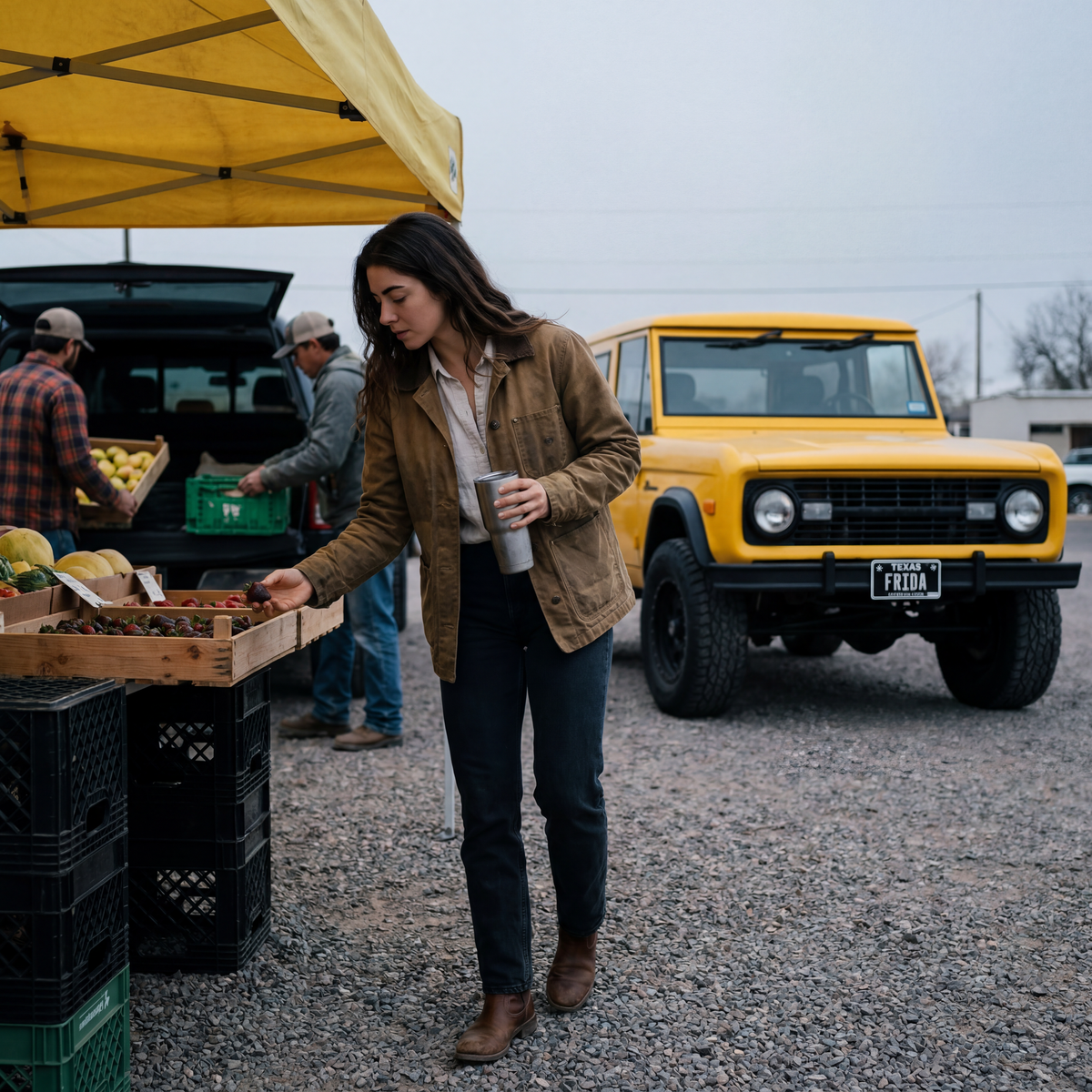
The Marfa farmers market set up in the same gravel lot every Saturday, but on Mondays, before dawn, it was just trucks and tarps and the growers themselves, and Frida Martinez liked it better empty.
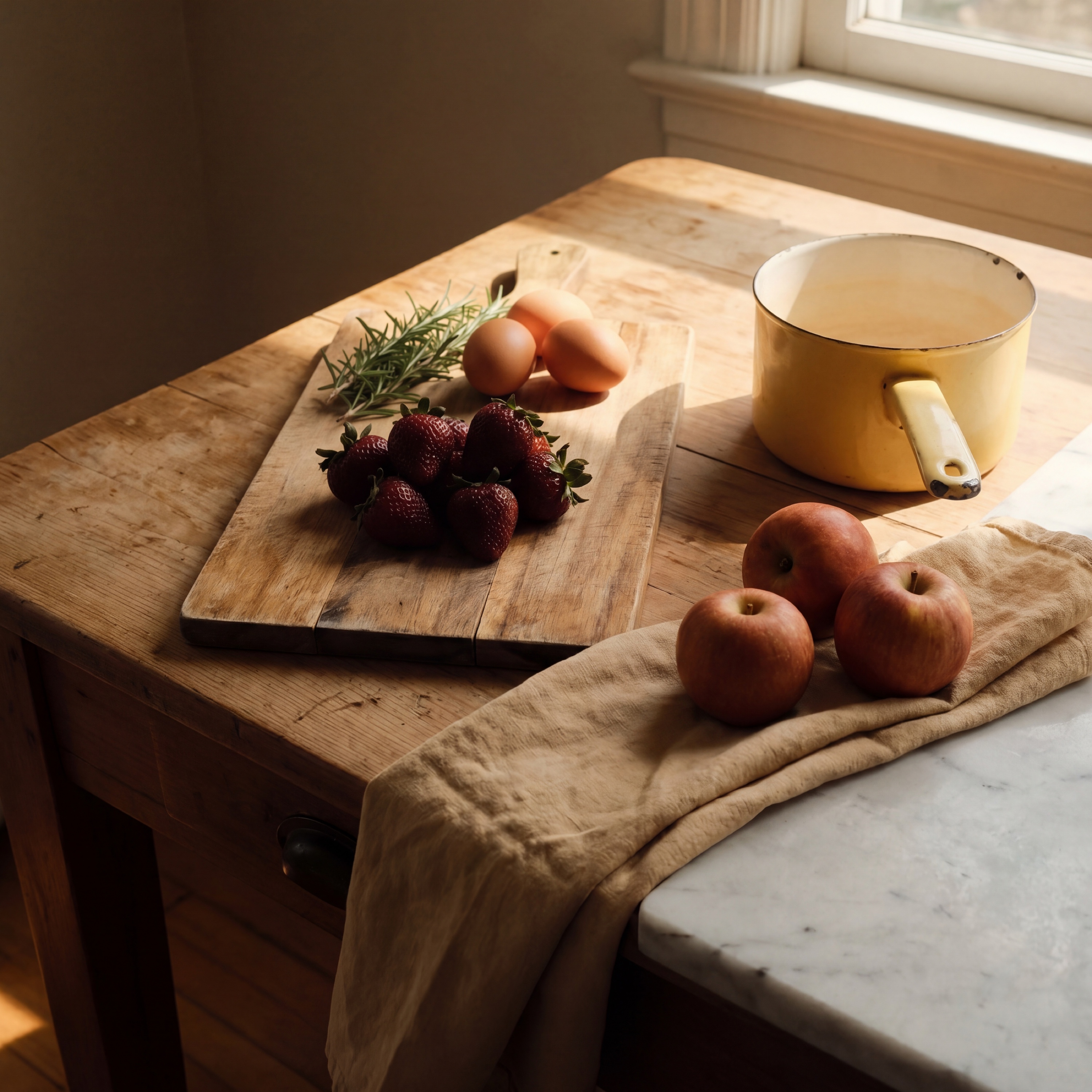
She got there before the canopies went up, when it was still cold enough to want the coffee she'd brought in a steel mug, and she walked the rows while the men and women who'd driven in from the surrounding ranchland unloaded crates by the light of their tailgates. This was not a content moment. There was no shoot today, no client, no reason for the division lead of a food and beverage agency to be standing in a gravel lot at 5:40 in the morning watching a woman named Dolores set out the first flats of strawberries. There was only the fact that this was where Frida thought, and she had learned a long time ago to go where she thought.
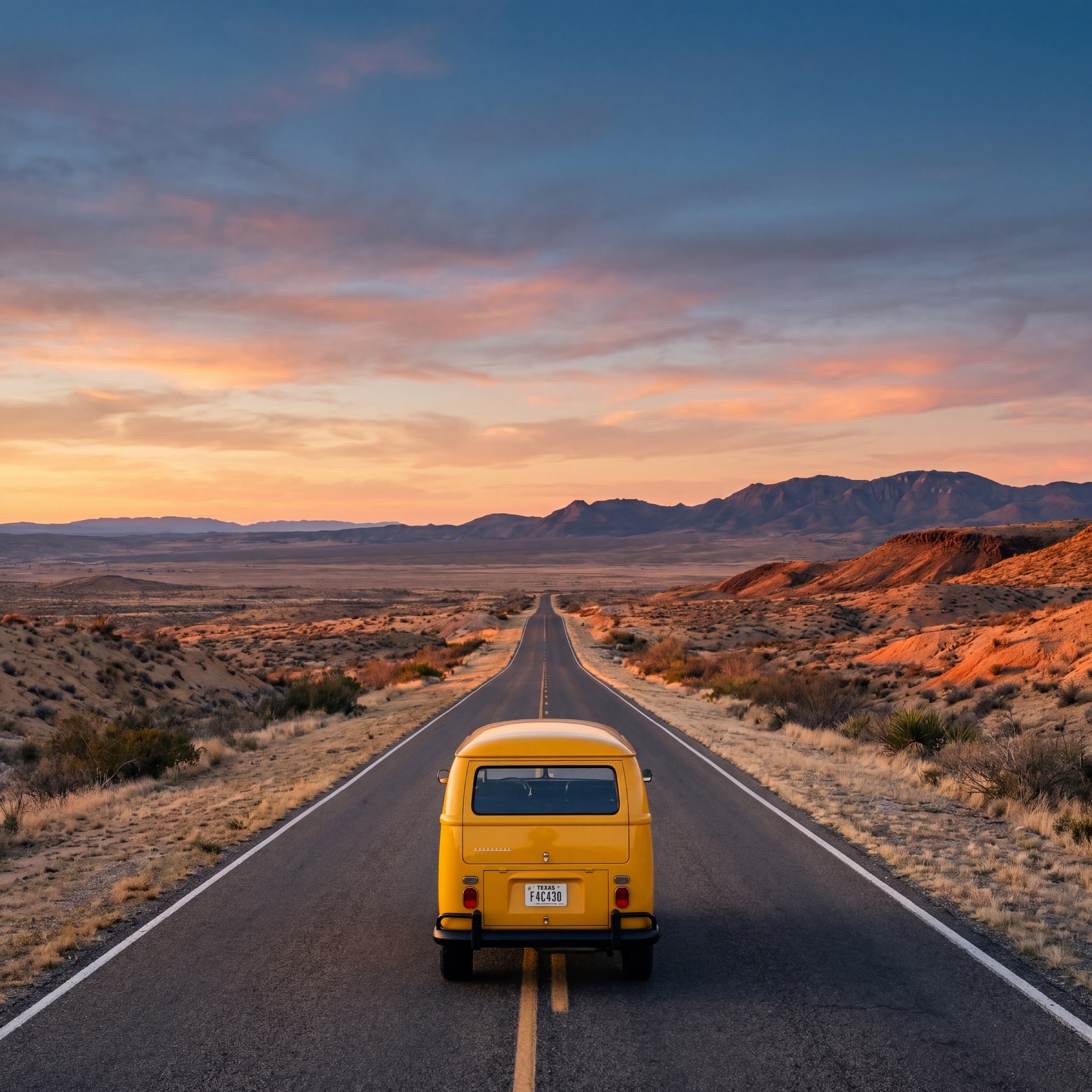
She was twenty-five. She ran the Munchies division of Marfa Strategies, which meant she ran the food and beverage half of a company that was, depending on the day, either scrappy or just small. People who met her assumed she was older. She let them. She'd built the division out of a thin brief and a good instinct and three years of saying yes to things she wasn't sure she could do, and she'd been right enough times that nobody questioned the arithmetic anymore, least of all her. The 1974 Bronco was parked at the end of the lot, and it went everywhere she went, and it smelled permanently of the produce she hauled in it.
Dolores looked up from the strawberries. "Temprano," she said. Early.
"Siempre," Frida said. Always. She crouched at the flat, lifted a berry, turned it in the gray light. It was small and dark and a little ugly and it would taste like the actual thing, the platonic strawberry, the one the supermarket version was a watered-down photocopy of. "These are early."
"Two weeks early. The warm March." Dolores said it the way growers said everything, as a fact with a grievance folded inside it. "Won't last. Heat's coming."
Frida nodded. She bought a flat she didn't strictly need, because you bought from Dolores when Dolores had the first of something, that was just how it worked, and she carried it to the Bronco and set it on the passenger seat where she could smell it on the drive.
Here was the thing she would never say out loud, the thing under the morning: Frida did not come to the market because the division needed produce. She came because the market was the only place all week where she was nobody's boss. Where the standard of the work - was the strawberry good, was it real, did it taste like itself - was decided by the strawberry and not by her, not by a client, not by Cynthia in Dallas, not by the quiet machinery of expectation that ran under everything once the sun came up and the office filled. At the market the truth was just true. You could hold it in your hand. You knew what was in season, and if you knew what was in season you knew what the week should look like, and there was a peace in that so complete it almost hurt.
She drank the last of the coffee, cold now, and watched the canopies start to go up - one of them a sun-faded yellow that had been bright once, years of mornings ago, and still threw a warm cast over the crates beneath it like it was the one deciding what the day would look like. Then she drove the flat of strawberries back toward town and the day and the division that was, whether she wanted to think about it this early or not, hers.
This entry is part of The Marfa Munchies, a daily fiction podcast from The Marfa Strategy.
Listen daily. Apple Podcasts · RSS
Follow the world. @marfamunchies on Instagram · TikTok · Threads · Bluesky